A minimalist home is more than a design trend. It is a practical way of creating a living space that feels calm, functional, and easy to maintain. By focusing on what truly adds value to your daily life, you can reduce clutter, improve organisation, and create an environment that supports relaxation and productivity. Minimalism does not mean living with as few possessions as possible. Instead, it encourages keeping items that serve a purpose or bring genuine value while removing unnecessary distractions.
One of the biggest benefits of a minimalist home is the sense of peace it creates. Rooms filled with excessive furniture, decorations, and unused belongings can feel overwhelming and difficult to keep clean. A simplified space allows natural light to stand out, makes rooms appear larger, and helps reduce the stress that often comes with constant mess. Many people find they spend less time cleaning and more time enjoying their homes after adopting a minimalist approach.
Creating a minimalist home begins with thoughtful decluttering. Rather than trying to organise everything you own, start by deciding what you truly need. Items that have not been used for months or no longer fit your lifestyle may be better donated, recycled, or sold. This process helps free up valuable storage space while making it easier to find the things you use every day. Decluttering can be completed gradually, allowing each room to become more functional over time without feeling overwhelming.
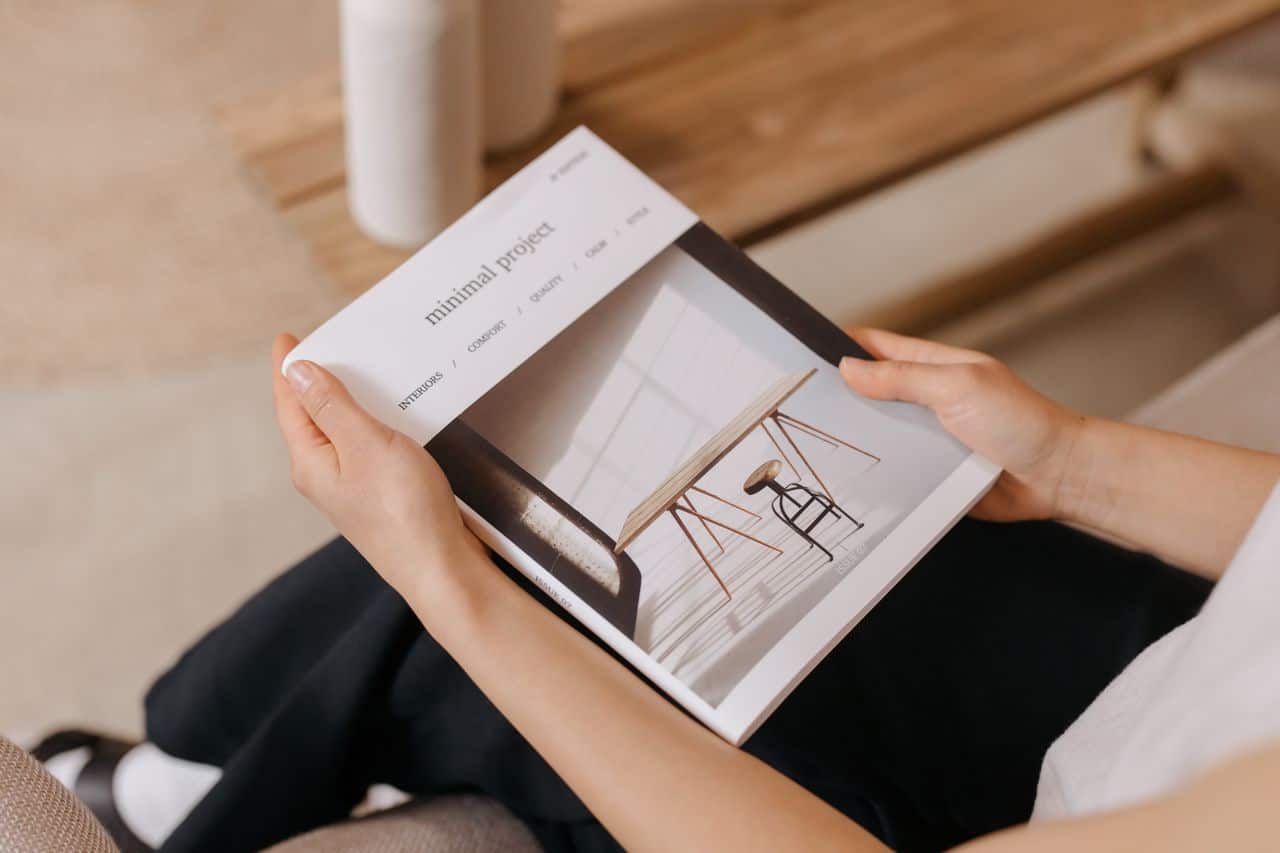
Furniture selection also plays an important role in minimalist living. Choosing high-quality pieces with clean lines and practical functions creates a timeless appearance that does not feel crowded. Multi-purpose furniture, such as storage beds, expandable dining tables, or coffee tables with hidden compartments, helps maximise available space while reducing the need for additional items. Every piece should have a clear purpose and contribute to the overall comfort of the home.
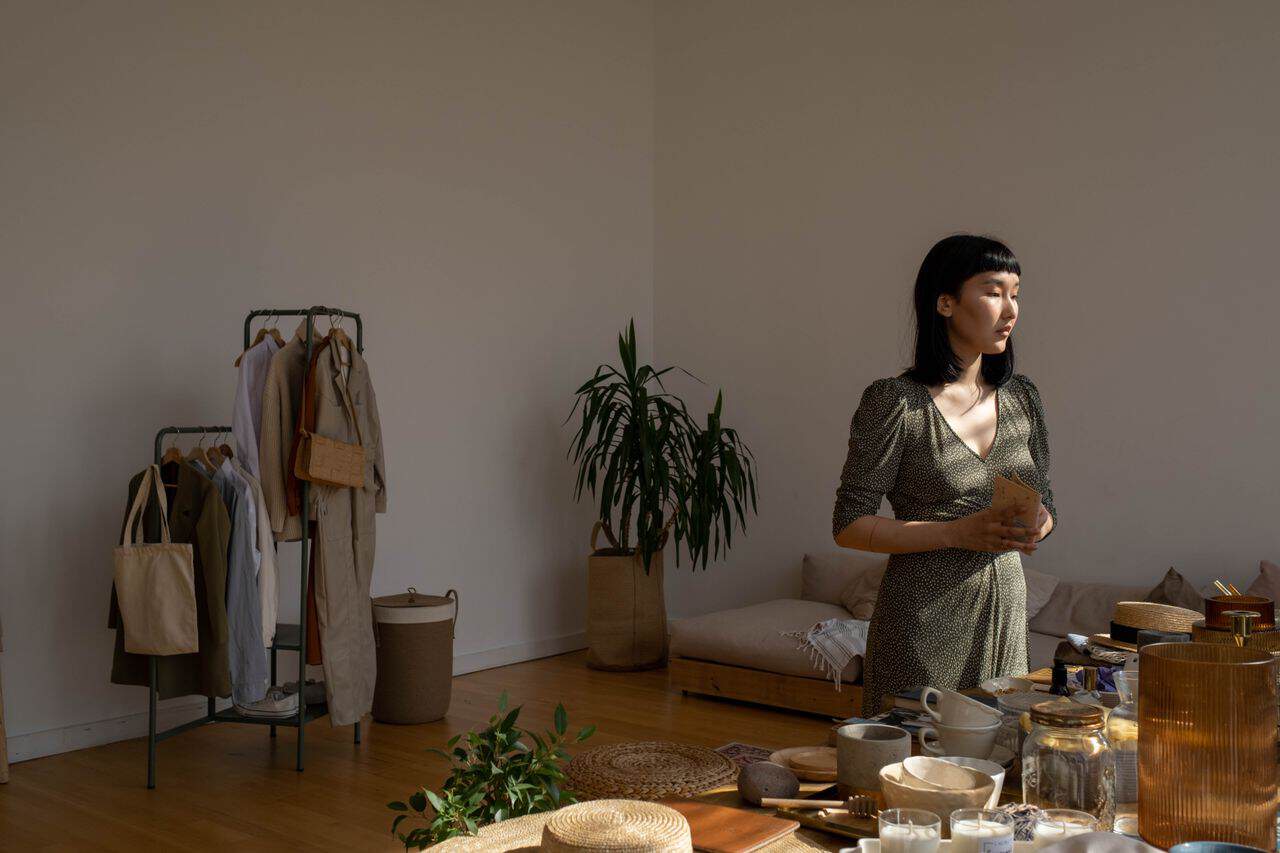
Colour choices greatly influence the atmosphere of a minimalist interior. Neutral shades such as white, beige, grey, and soft earth tones create a bright and relaxing environment. These colours reflect natural light and make rooms appear more spacious. Small accents through cushions, artwork, indoor plants, or textured fabrics can introduce personality without overwhelming the overall design. A balanced colour palette keeps the space visually calm while maintaining warmth and character.
Storage solutions are essential for maintaining a clutter-free home. Hidden cabinets, floating shelves, baskets, and built-in wardrobes help keep everyday items organised and out of sight. When everything has a designated place, maintaining cleanliness becomes much easier. Simple storage systems also prevent unnecessary purchases because you always know what you already own.
Natural elements bring warmth to minimalist interiors without adding visual clutter. Wooden furniture, stone surfaces, linen fabrics, and indoor plants create a welcoming atmosphere while maintaining simplicity. Large windows, soft natural lighting, and open spaces further enhance the feeling of calm. These features help connect the indoors with nature, creating a home that feels fresh and inviting throughout the year.
Minimalism also encourages more mindful purchasing decisions. Instead of buying items based on trends or impulse, homeowners often choose products that offer durability, quality, and long-term value. Investing in fewer but better-made belongings can reduce waste while creating a home that remains stylish for years. This thoughtful approach supports both financial savings and sustainable living.
Technology can also be incorporated into a minimalist home without disrupting its clean appearance. Wireless devices, hidden charging stations, smart lighting, and cable management systems reduce visual distractions while improving convenience. Smart home features can simplify daily routines while preserving the uncluttered look that minimalist spaces are known for.
A minimalist lifestyle extends beyond physical design. Maintaining simple daily habits such as returning items to their proper place, avoiding unnecessary purchases, and regularly reviewing household belongings helps preserve an organised environment. Over time, these routines become part of everyday life, making it easier to keep the home comfortable and functional.
A minimalist home offers lasting benefits that go beyond appearance. It creates a peaceful environment where every room serves a purpose, encourages mindful living, and reduces the stress associated with excess possessions. Whether you are redesigning your entire house or simply organising a single room, embracing minimalist principles can transform your living space into one that feels calm, practical, and enjoyable every day.