Decluttering your home can seem like a difficult task, especially when every room feels filled with belongings that have accumulated over the years. Many people delay organising because they believe they need an entire weekend or a perfectly planned system before getting started. In reality, successful decluttering is about making steady progress rather than trying to achieve perfection in a single day. With the right mindset and a simple approach, you can create a cleaner, more organised home without feeling stressed or exhausted.
The first step is changing the way you think about clutter. Instead of viewing the entire house as one overwhelming project, consider each room or even each drawer as a separate task. Breaking the process into smaller sections makes it easier to stay motivated and prevents burnout. Completing one small area at a time also creates a sense of accomplishment that encourages you to continue.
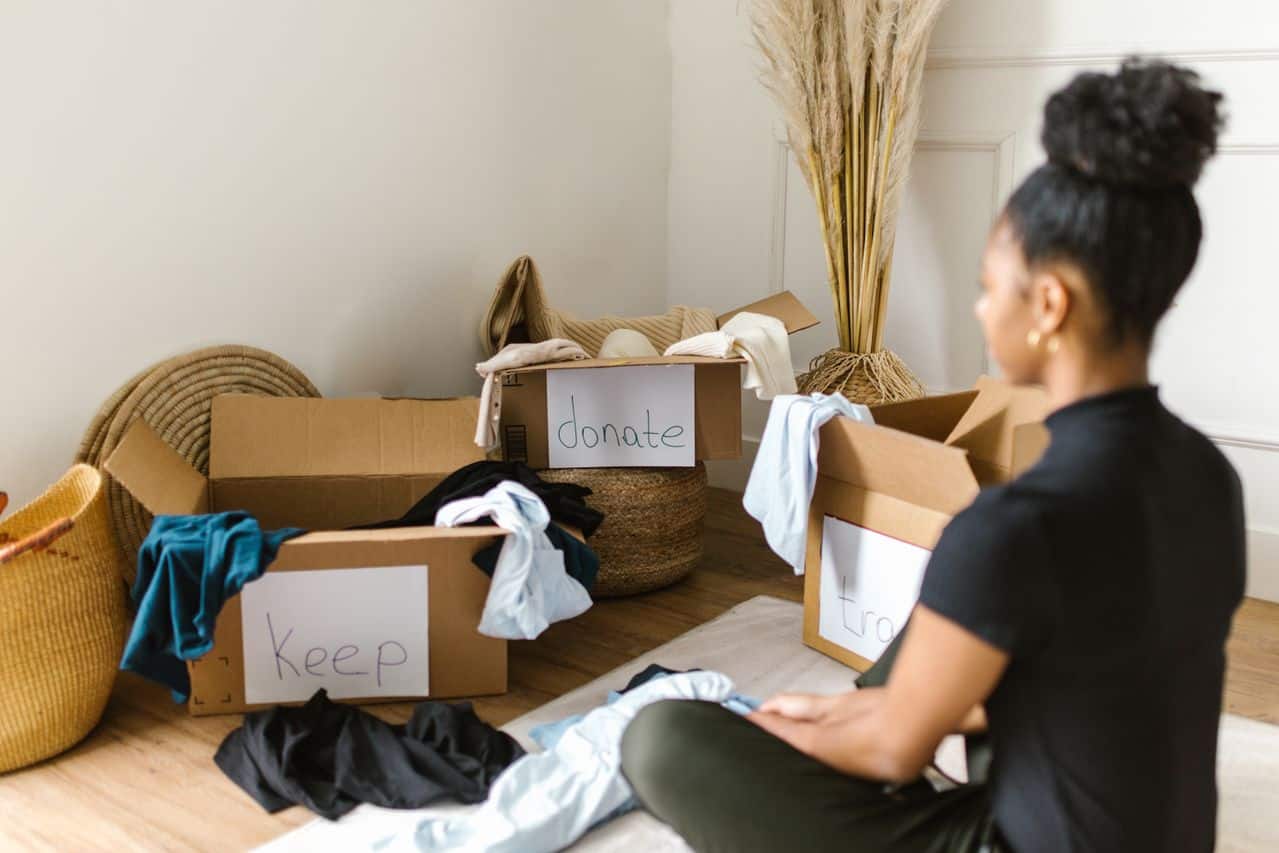
One of the most effective ways to reduce clutter is by focusing on items you no longer use. Many homes contain clothes that no longer fit, kitchen gadgets that remain untouched, books that have never been read again, and decorative items that no longer match personal style. Letting go of these belongings creates valuable space while making your home easier to organise. Donating, recycling, or selling usable items also gives them a second life instead of allowing them to collect dust.
Organisation becomes much easier once unnecessary items have been removed. Every belonging should have a designated place where it can be easily found and returned after use. Storage boxes, baskets, shelves, drawer dividers, and labelled containers help keep similar items together while reducing visual clutter. A well-organised storage system saves time because you no longer need to search for everyday essentials.
Creating daily habits is just as important as the initial decluttering process. Taking a few minutes each day to return items to their proper place prevents clutter from building up again. Simple routines such as clearing kitchen counters before bedtime, sorting incoming mail immediately, and putting away laundry as soon as it is folded help maintain an organised home with very little effort. Small actions performed consistently often have a greater impact than occasional deep-cleaning sessions.
It is also helpful to be more intentional when bringing new items into your home. Before making a purchase, consider whether the item serves a genuine purpose, whether you already own something similar, and where it will be stored. Mindful shopping reduces unnecessary accumulation and helps preserve the organised environment you have worked to create. Choosing quality over quantity also leads to a home filled with items that are useful, durable, and appreciated.
Sentimental belongings can often be the most challenging part of decluttering. Rather than feeling pressured to keep everything, focus on preserving items that truly hold meaningful memories. Photographs, family heirlooms, and special keepsakes deserve space, while duplicates or items with little emotional significance may no longer be necessary. This balanced approach allows you to honour important memories without allowing sentimental clutter to take over your living space.
Digital clutter also deserves attention. Organising files on your computer, deleting unnecessary emails, backing up important documents, and arranging digital photos into folders can create the same sense of order as organising physical spaces. A tidy digital environment makes work and personal tasks more efficient while reducing frustration when searching for important information.
Decluttering is not about creating a perfectly empty home. It is about designing a space that supports your daily life and reflects your priorities. An organised home feels more comfortable, easier to clean, and more enjoyable to live in because every item has a purpose and a place. Over time, maintaining this balance becomes easier as thoughtful habits replace the cycle of constant clutter.
A well-organised home can positively influence both physical and mental well-being. Less clutter often means less stress, improved focus, and a greater sense of control over your surroundings. By taking small, consistent steps and avoiding the pressure to finish everything at once, you can transform your home into a calm, welcoming space that is easier to maintain and more enjoyable every day.