Simple living is about making intentional choices that bring greater satisfaction while reducing unnecessary stress and expenses. It does not mean giving up comfort or avoiding modern conveniences. Instead, it encourages focusing on what truly matters, spending money wisely, and appreciating the experiences and relationships that add lasting value to life. By simplifying daily habits and priorities, many people discover that they can enjoy a richer lifestyle while spending less.
One of the easiest ways to embrace simple living is by becoming more mindful of everyday spending. Small purchases made out of habit can quickly add up over time without providing lasting happiness. Taking a moment to consider whether a purchase is truly necessary often leads to better financial decisions. Buying fewer but higher-quality items can also reduce waste and save money in the long run because durable products typically last much longer than cheaper alternatives.
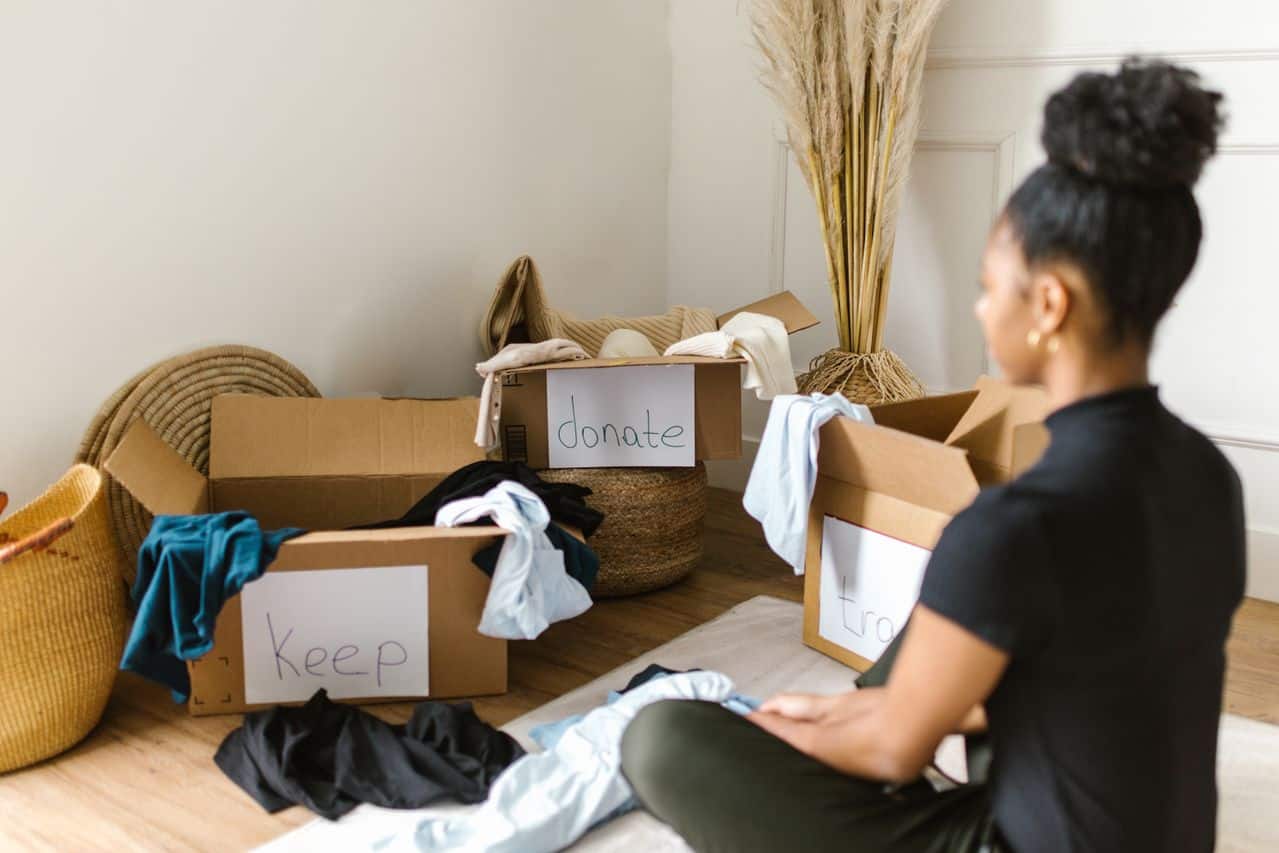
Living simply also means making better use of what you already own. Many households contain clothing, kitchen tools, electronics, and furniture that are rarely used or forgotten altogether. Organising your belongings and rediscovering items you already have can reduce the desire to buy replacements unnecessarily. Repairing or repurposing existing possessions instead of replacing them is another practical habit that supports both financial savings and environmental sustainability.
Preparing meals at home is another effective way to spend less while enjoying healthier food. Home cooking allows greater control over ingredients, portion sizes, and food costs. Even preparing simple meals a few times each week can significantly reduce spending on restaurants, takeaways, and convenience foods. Cooking also creates opportunities to spend quality time with family while developing useful skills that benefit everyday life.
A simpler lifestyle often encourages people to value experiences more than possessions. Spending time with family, exploring local parks, reading books, enjoying hobbies, or taking nature walks can provide meaningful enjoyment without requiring large expenses. These activities often create lasting memories and contribute more to overall happiness than constantly purchasing new products.
Managing finances becomes easier when living with clear priorities. Creating a realistic budget helps you understand where your money goes and identify areas where unnecessary spending can be reduced. Saving regularly, even in small amounts, builds financial security over time and provides greater confidence when unexpected expenses arise. A thoughtful approach to money allows you to focus on long-term goals instead of short-term impulses.
Technology can also support simple living when used intentionally. Digital calendars, budgeting apps, online banking, and productivity tools help organise daily responsibilities while reducing paperwork and unnecessary stress. At the same time, setting healthy boundaries for screen time creates more opportunities to connect with family, enjoy hobbies, and be present in everyday life.
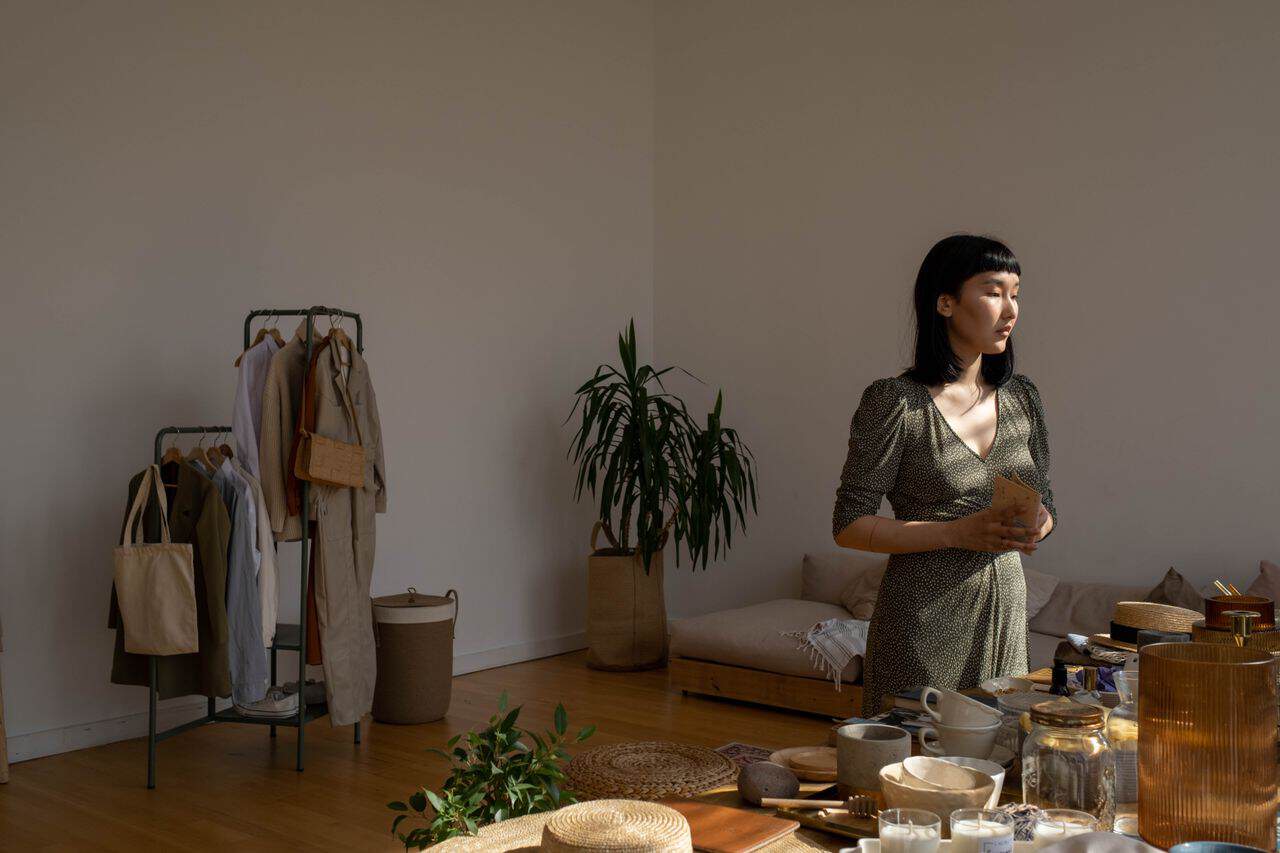
Keeping your home organised is another important part of simple living. A clean and uncluttered space is easier to maintain and creates a calmer atmosphere. When every item has a purpose and a designated place, daily routines become more efficient, and less time is spent searching for misplaced belongings. A well-organised home often leads to greater peace of mind and a stronger sense of control over your environment.
Simple living also encourages slowing down and appreciating everyday moments. Taking time to enjoy a morning coffee, watch a sunset, read a favourite book, or have meaningful conversations with loved ones helps shift attention away from constant busyness. These quiet moments often provide a greater sense of fulfilment than a schedule filled with unnecessary commitments and distractions.
Building a simpler lifestyle does not happen overnight. Small changes introduced gradually are often easier to maintain than dramatic lifestyle changes. Choosing one new habit at a time, whether it involves reducing spending, organising your home, or simplifying your schedule, creates steady progress without feeling overwhelming. Over time, these habits become part of your daily routine and contribute to a more balanced way of living.
Simple living is ultimately about creating a life that reflects your values rather than unnecessary consumption. By spending thoughtfully, appreciating what you already have, and focusing on meaningful experiences, you can reduce financial pressure while increasing happiness and peace of mind. A simpler lifestyle often leads to greater freedom, allowing you to enjoy more of what truly matters every day.